Practical workshops
Programmes for engineers, supervisors and operators covering surface preparation, coating application and inspection. Discuss the topic and the experience level of your team with us.

Technical guidance, coating inspection and practical training. Support for the people and processes behind industrial performance.
Discuss your requirements
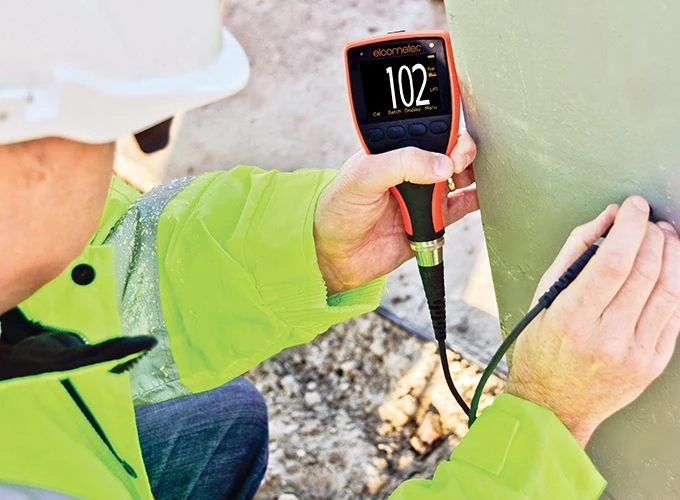 PRECISION IN PRACTICE
Explore what each service area covers, the checks involved and the decisions it supports. Select a service above or browse the full coating lifecycle below.
Surface preparation addresses contamination, surface texture and conditions before a coating is applied. These checks help establish a suitable foundation for adhesion and protection.
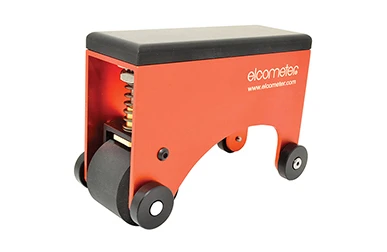 Elcometer 145 · Dust Tape Roller
Rust, mill scale, oil, grease, dust and soluble salts can affect coating performance. Visual assessment, dust testing and salt testing help establish whether the surface meets the agreed preparation requirements. A visually clean surface may still contain invisible contamination.
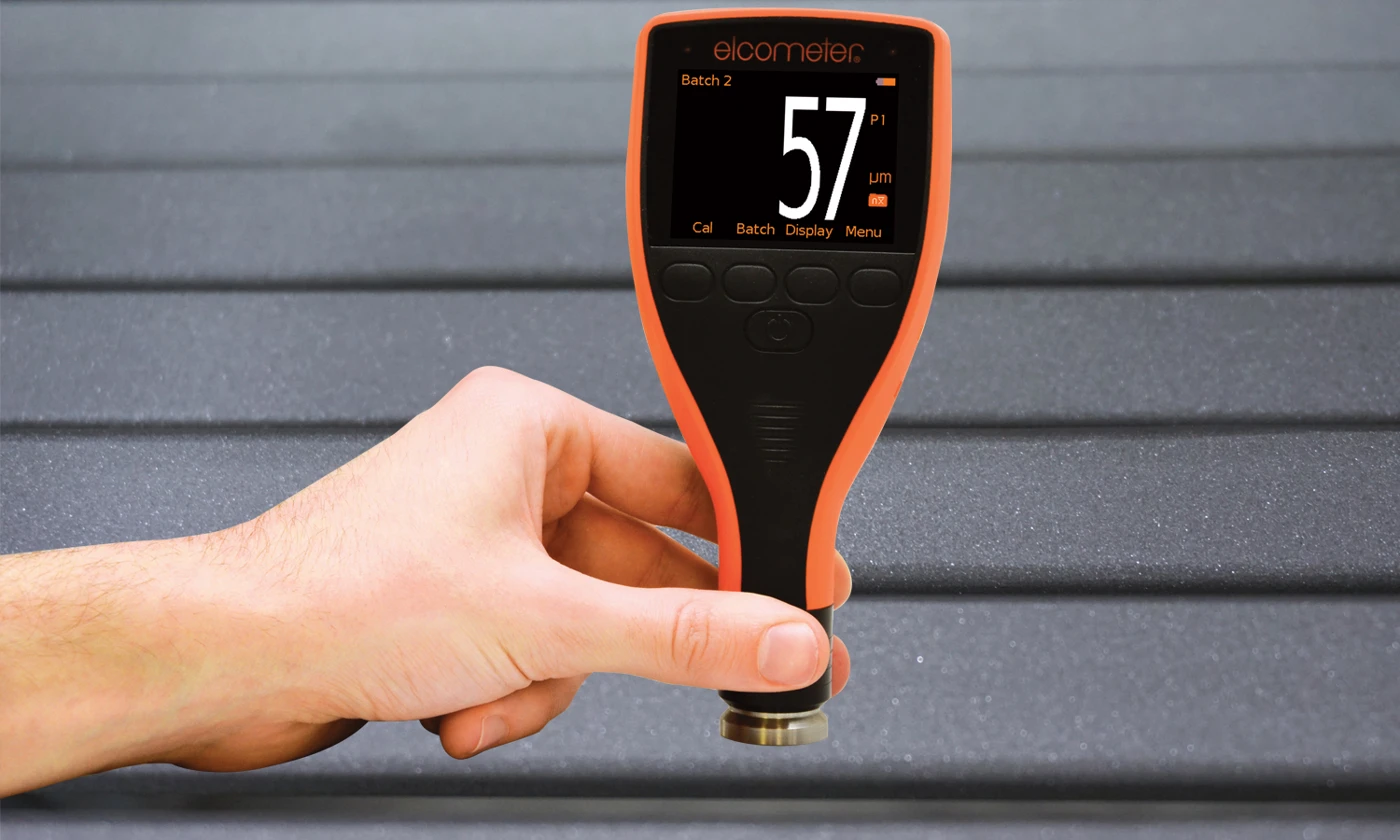 Elcometer 224 · Surface Profile Gauge
The abrasive and blasting process influence the texture left on steel. Profile gauges, comparators or replica tape can assess this texture against the coating specification. Too little profile can limit adhesion; excessive profile can require more coating to cover the peaks.
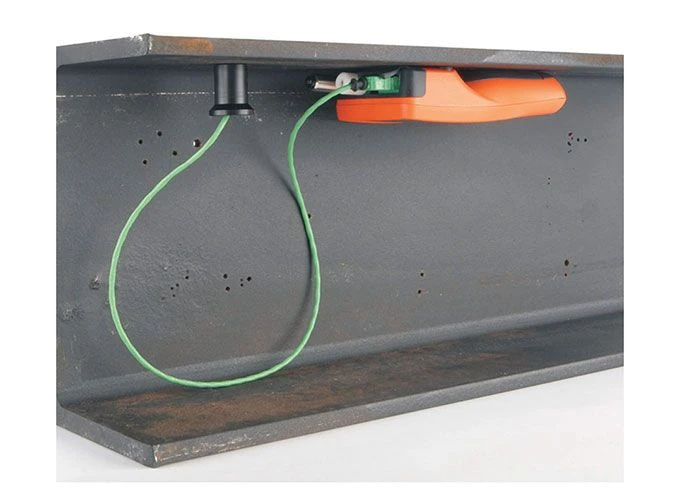 Elcometer 319 · Dewpoint Meter
Measure air temperature, surface temperature, relative humidity and dew point before and during application. Comparing surface temperature with dew point helps identify condensation risk. Record conditions and check them against the coating manufacturer’s application requirements.
Coating application brings together equipment, material preparation and operator technique. The right setup helps achieve consistent coverage and the specified finish.
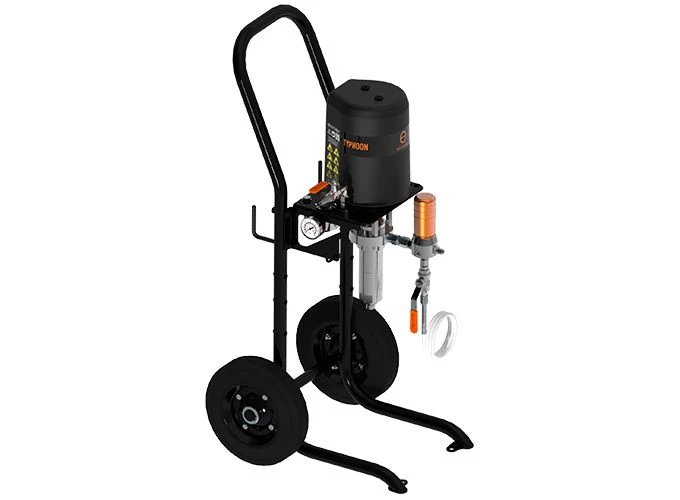 Elcometer TYPHOON · Airless Pump
Spray equipment must suit the material and application. Tip orifice, fan width and sprayer capacity influence material delivery and coverage. Guidance should follow equipment manuals, including safe operation, cleaning and maintenance, rather than relying on one setting for every coating.
 Elcometer 2210 · Zahn Viscosity Dip Cups
Review the product’s technical data sheet, safety data sheet and application guide before use. For multi-component coatings, mixing ratio, induction time and pot life are product-specific. Drying, curing and recoating conditions also need to match the selected system.
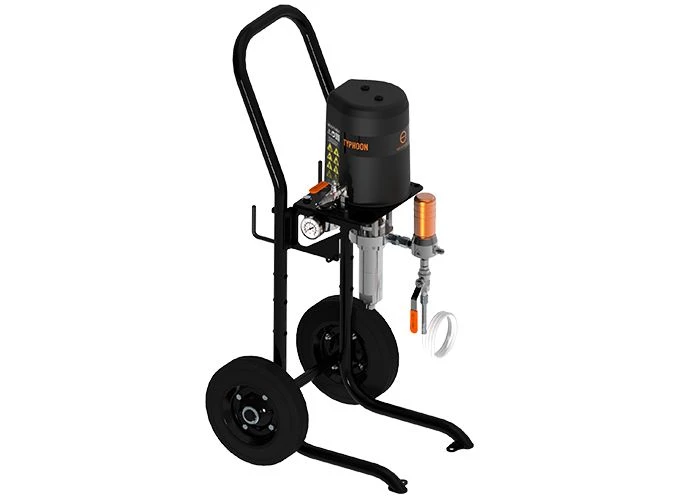 Elcometer TYPHOON · Airless Pump
Select the spray tip for the coating and the area being covered. Fan width affects coverage and control; orifice size affects material output. Check the spray pattern and equipment compatibility, and use the manufacturer’s application guidance to manage film build and material use.
Inspection connects coating work to the agreed specification. Appropriate instruments and clear records make results easier to assess and follow through to completion.
Elcometer 456 · Coating Thickness GaugeDifferent stages call for different measurements: surface profile and contamination before painting, climatic conditions during work, and wet or dry film thickness during and after application. Adhesion and porosity testing may also be required by the coating system and inspection specification.
 ElcoMaster · Inspection Data & Reports
Link readings to the component or area inspected, the date, the coating stage and the instrument used. Recording environmental conditions and test results makes it easier to review work against the specification and identify where a result came from.
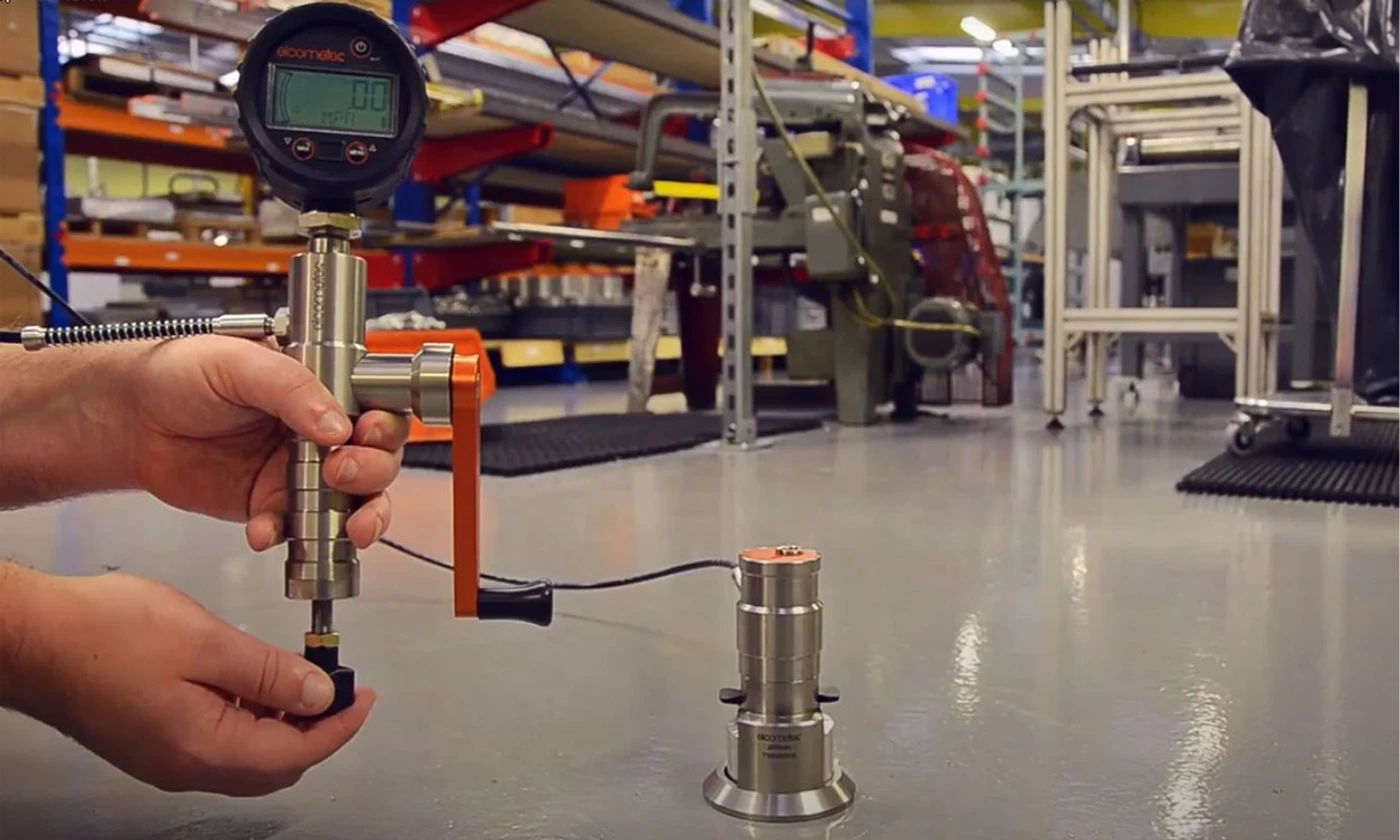 Elcometer 506 · Pull-Off Adhesion Tester
Compare inspection results with the agreed requirements rather than a universal pass/fail value. Visual assessment and suitable measurement methods work together to check preparation and coating condition. Record any deviation and its follow-up before treating the work as complete.
Corrosion control considers the condition of the asset, its exposure and the coating system. Assessment and planned maintenance support informed decisions about protection and repair.

Review the location and pattern of coating deterioration alongside preparation, application and inspection records. Contamination, unsuitable surface profile and application conditions are possible contributors. Investigation should consider the evidence before assigning a cause or recommending repair.
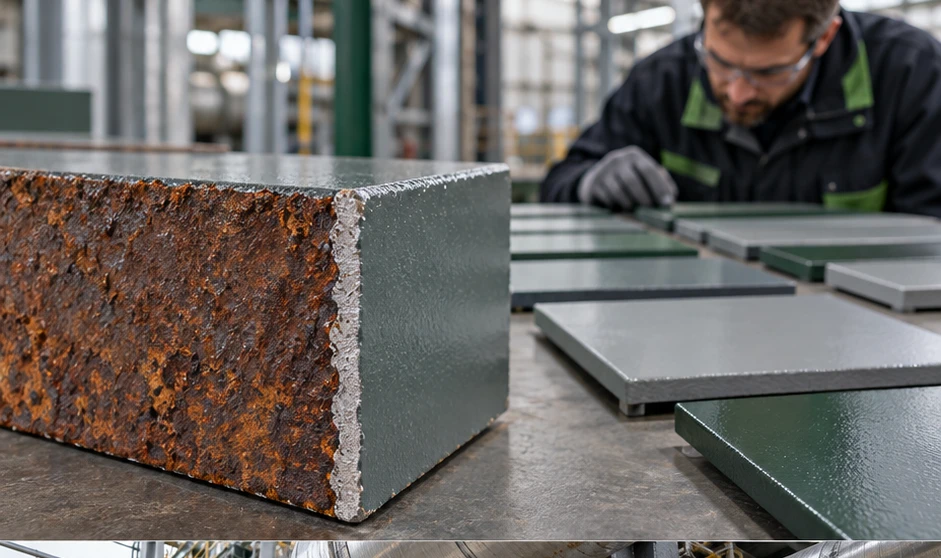
Choose the coating system for the substrate, exposure and durability requirements. Primers and subsequent coats work as a system, with preparation and application requirements specific to the products used. A maintenance coating must also suit the existing surface and achievable preparation.

Assess corrosion and coating condition to prioritise maintenance areas. Use the findings to define preparation, a suitable repair system and a practical work plan. Manufacturer maintenance guidance and current product documents help align the repair with operating conditions.
PEOPLE. PROCESS. PERFORMANCE.Connect coating principles with the equipment, challenges and operating conditions your team encounters.
Programmes for engineers, supervisors and operators covering surface preparation, coating application and inspection. Discuss the topic and the experience level of your team with us.
Content adapted to your team, project and operating conditions. Share the equipment you use and the areas where you need greater understanding, so the training enquiry can focus on your priorities.
Workshop dates and registration details will be shared once confirmed.
Tell us your application, location and technical or training requirements.